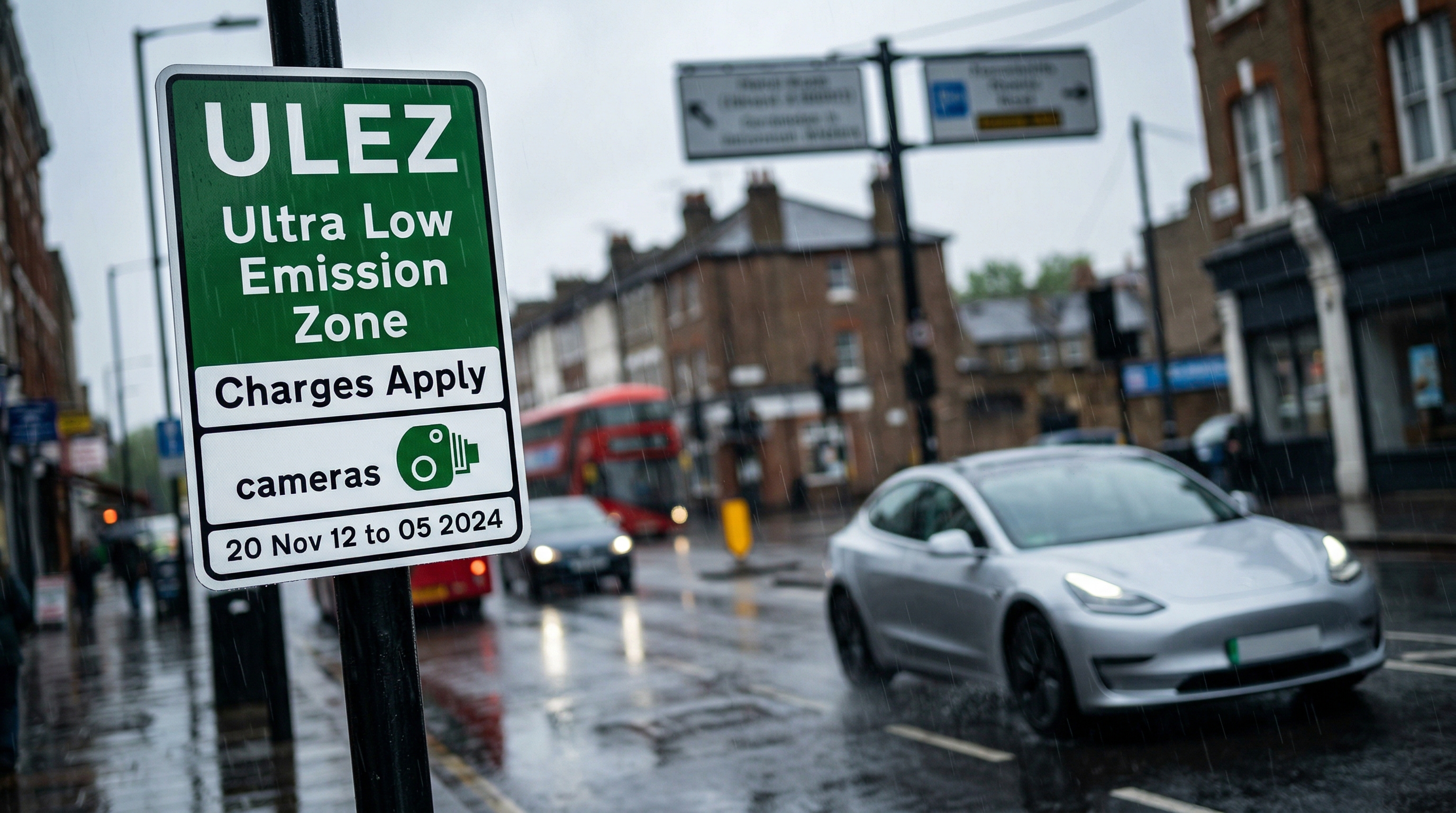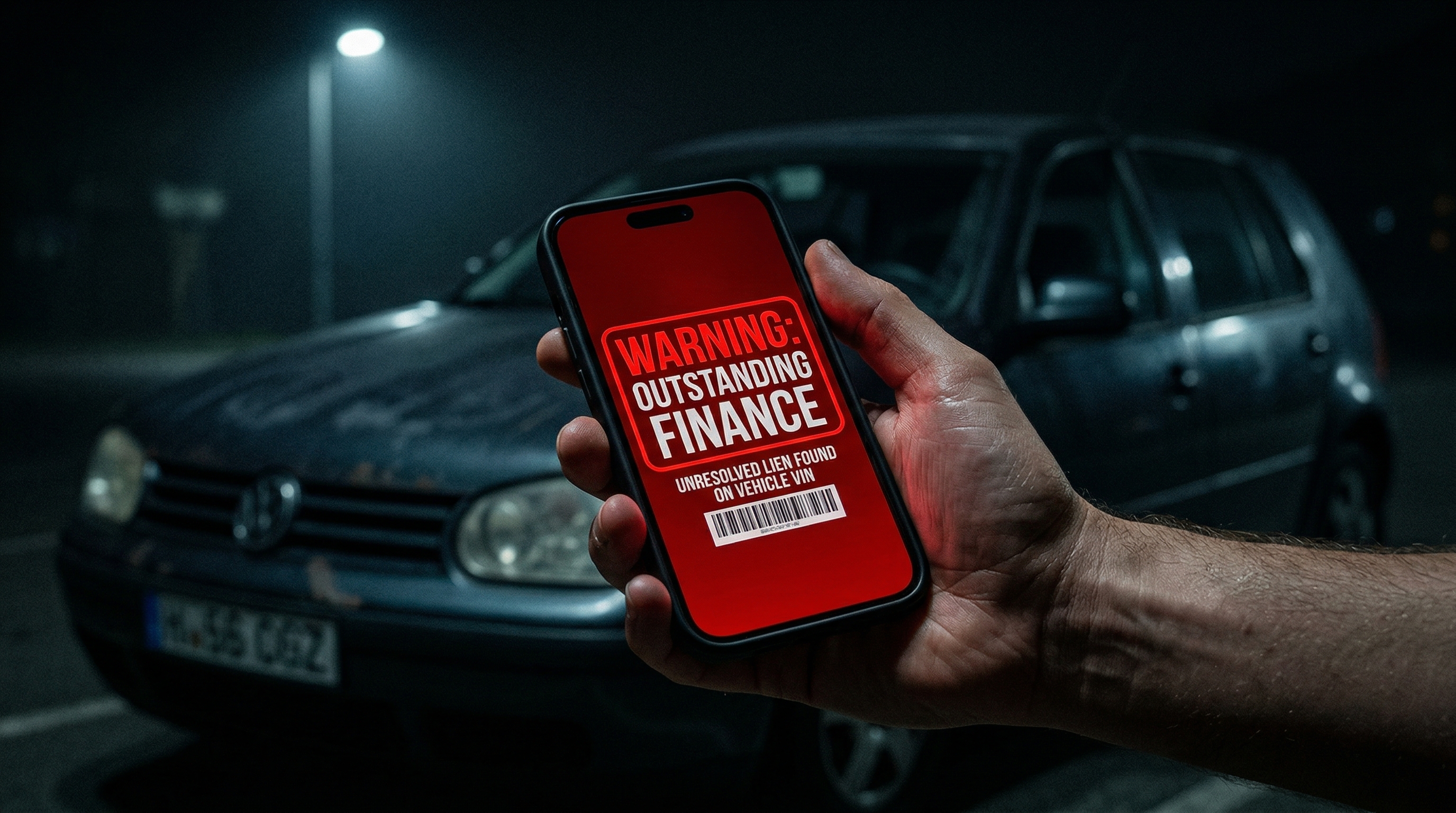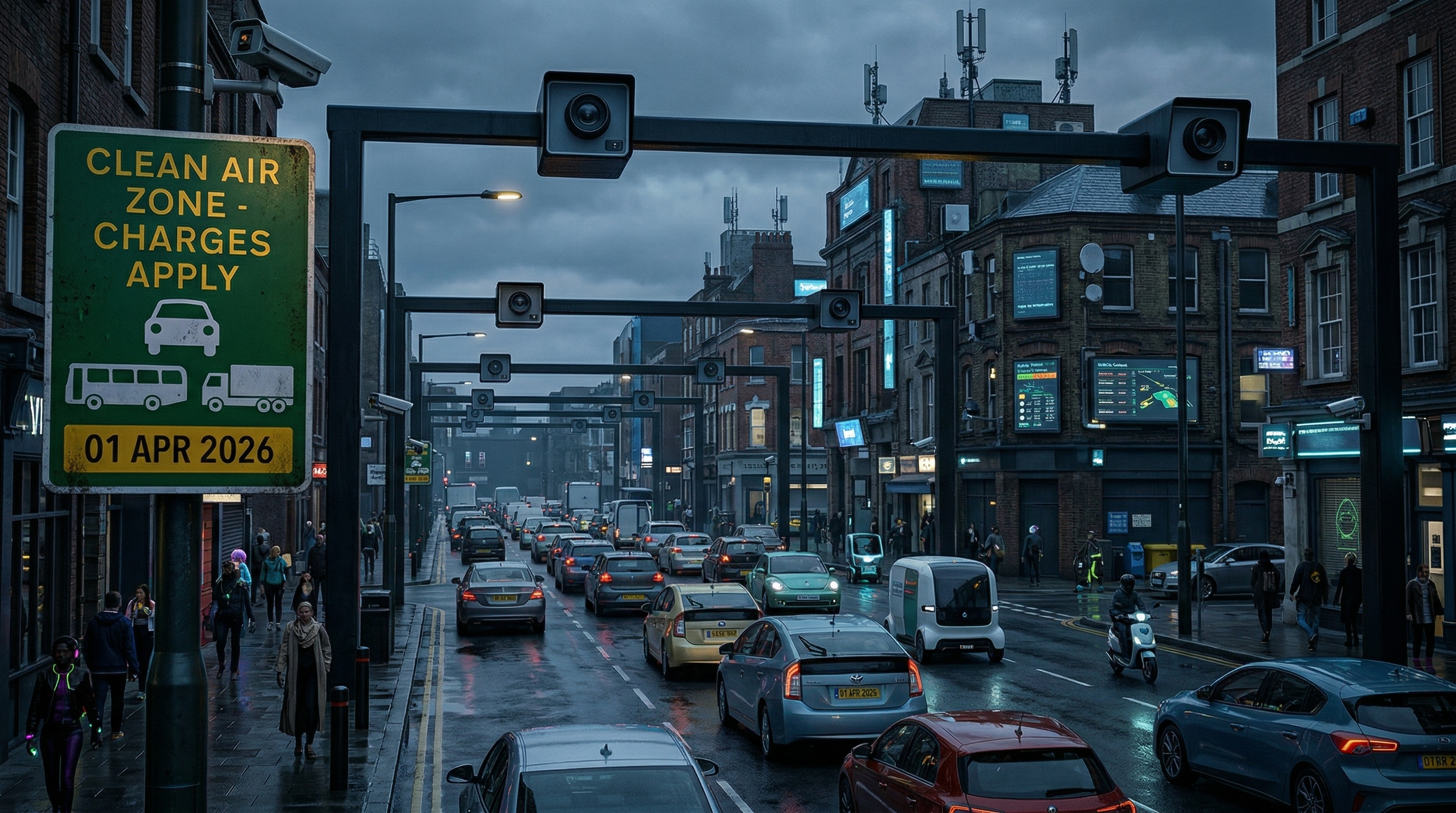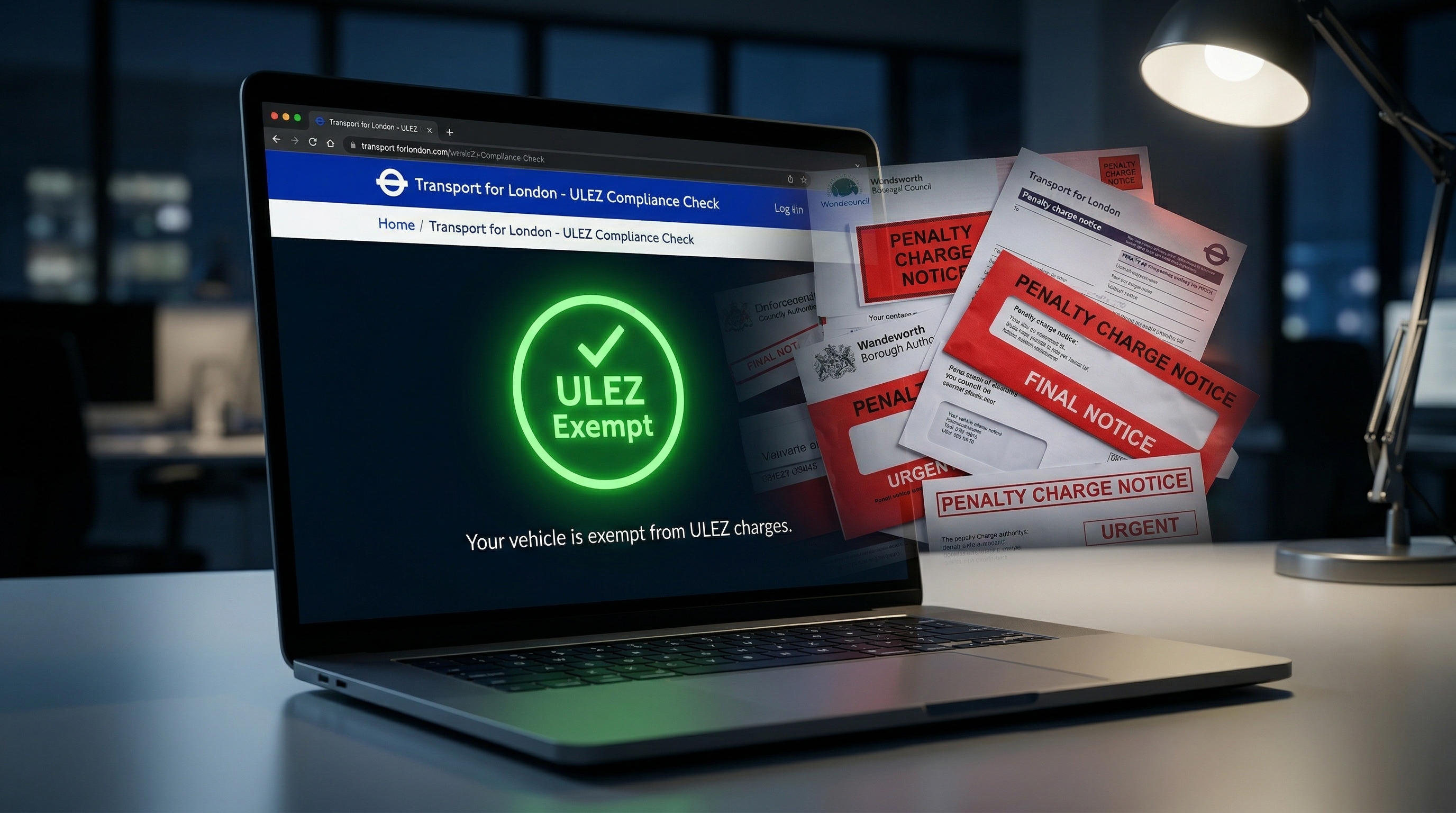
You typed the number plate into the official TfL ULEZ checker. The screen returned: "This vehicle is exempt." You felt confident. You bought the car. Then the daily charges started arriving.
This happens. Regularly. The official checker tools — run by Transport for London, local councils, and third parties — all pull data from the DVLA's centralised database. That database can be wrong. When a car's emission classification is incorrectly recorded on initial registration, or when a car has been modified, imported, or had classification paperwork errors during previous ownership, the checker reads the wrong data and tells you a vehicle is compliant when it isn't.
The financial consequences are severe: daily £12.50 charges you weren't budgeting for, a complex appeals process that is heavily weighted against the vehicle keeper, and the challenge of now selling a non-compliant car at a significant loss.
Don't rely on a checker tool for a decision worth thousands. Book a free session and we'll run a manufacturer-level VIN verification before you commit to any car.
Why the Official Checker Fails
Incorrect original DVLA registration data
When a car is first registered in the UK, the DVLA relies on data submitted by the manufacturer's type approval process. If the model existed in two emission variants (common in the 2012–2016 transition period for Euro 5/6 diesels), the DVLA record sometimes doesn't capture which specific variant your VIN corresponds to. The checker then classifies all vehicles of that model incorrectly.
Imported vehicles
Cars imported from other European countries were originally type-approved against EU standards. When these are re-registered in the UK through the DVLA, the emission data doesn't always transfer accurately. An imported car that is genuinely Euro 6 can appear as Euro 5 on the DVLA record and fail the checker test — costing you charges despite actual compliance.
Modified vehicles
Any emission-related modification, including EGR valve deletions or diesel particulate filter (DPF) removals — whether legal or not — can fundamentally change a vehicle's emission profile without updating the DVLA record. The checker shows the original specification and misses the modification entirely.
The only reliable solution
Cross-reference the specific VIN against the manufacturer's original technical emission specification data — not the DVLA record. This requires access to manufacturer technical databases that are not publicly available. It's the check that trade buyers run before every purchase, and it's what WBAuto runs for every client.
Read also: how ULEZ works for South Africans and the full clean air zones UK guide.
The checker isn't enough. WBAuto verifies against manufacturer VIN data — the same check trade buyers do every time.