In South Africa, the fuel choice is straightforward: petrol or diesel, based on your driving distances and budget. In the UK, making the wrong choice given your specific postcode, commute, and housing situation adds thousands to your annual costs.
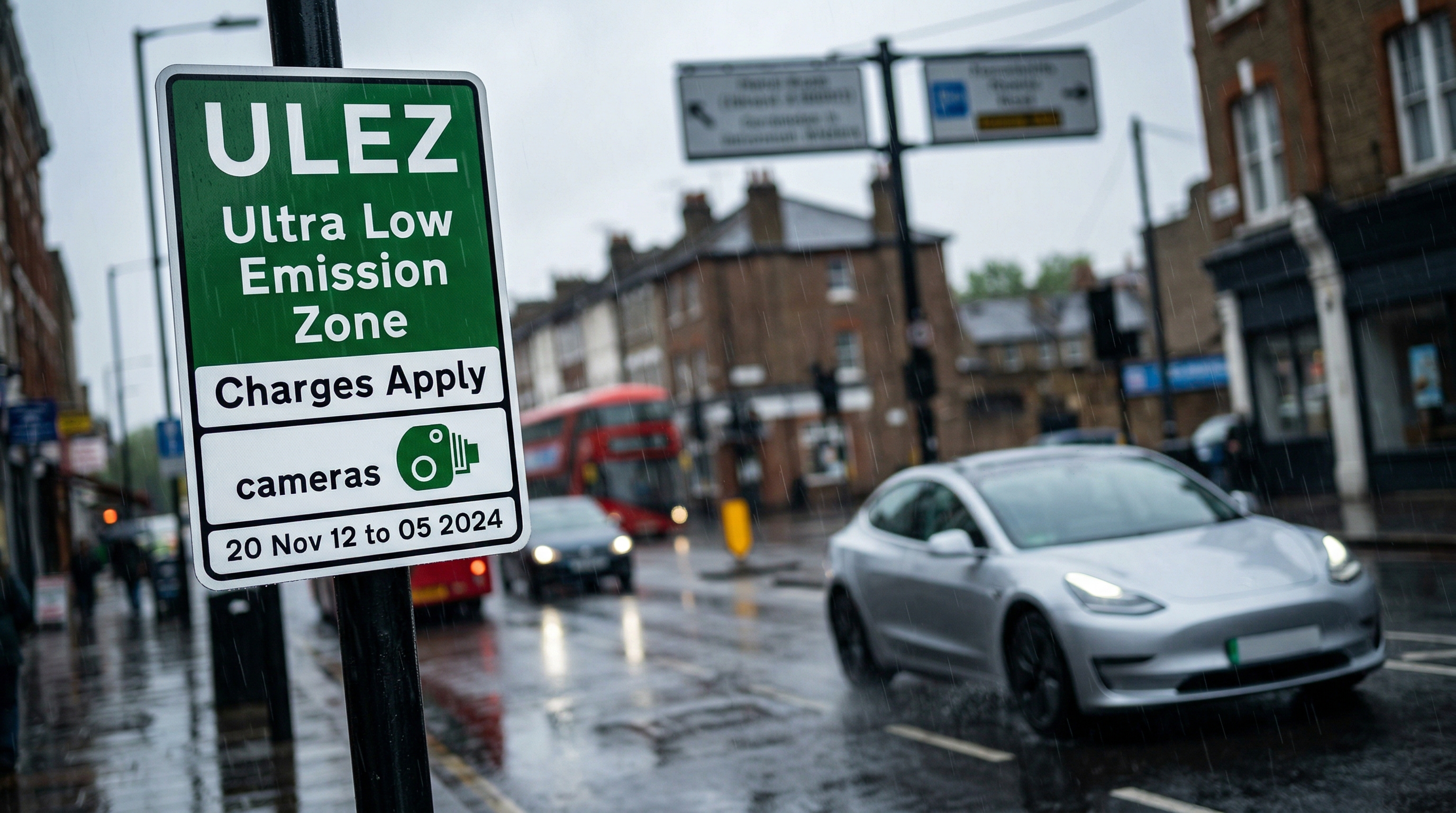
UK fuel regulations, emission zones, home charging infrastructure, and road tax structures are completely different from South Africa — and they interact with each other in ways that will blindside even experienced drivers. Buying a diesel because it was efficient and powerful back home could cost you £12.50 a day in ULEZ fines. Buying an EV without home charging access could leave you stranded or burned by expensive rapid charging.
Not sure which fuel type is right for your postcode, commute, and housing? Book a free session and we'll map out the right choice for your specific situation.
The Honest Breakdown
Petrol — the safe, flexible default
For most South Africans arriving in the UK, a modern petrol car is the lowest-risk first choice. Euro 4 petrol (broadly post-2006) is ULEZ-compliant everywhere. Petrol cars are cheaper to insure, cheaper to service, and easier to find across all price points. The downside is higher fuel consumption per mile on motorway driving, but for urban and suburban commuting, modern petrol engines are highly efficient.
Diesel — proceed with extreme caution
Diesel made sense in South Africa for long-distance, high-mileage driving. In the UK urban context, diesel is a financial trap for most new arrivals. Only Euro 6 diesels (broadly post-2015) are ULEZ-compliant, and even these may trigger charges in stricter Clean Air Zones. Pre-2015 diesels in a London postcode will cost you £4,500+ per year in daily charges before you've spent a penny on fuel.
Hybrid — practical if you understand battery health
Self-charging hybrids (like the Toyota Yaris or older Prius) are excellent for city driving and are almost universally ULEZ compliant. However, used hybrids carry a hidden risk: battery degradation. A replacement hybrid battery pack costs between £2,000 and £6,000 — and private sellers rarely disclose degraded battery health. Always get a battery health diagnostic before purchasing any used hybrid.
Electric — excellent if your lifestyle fits
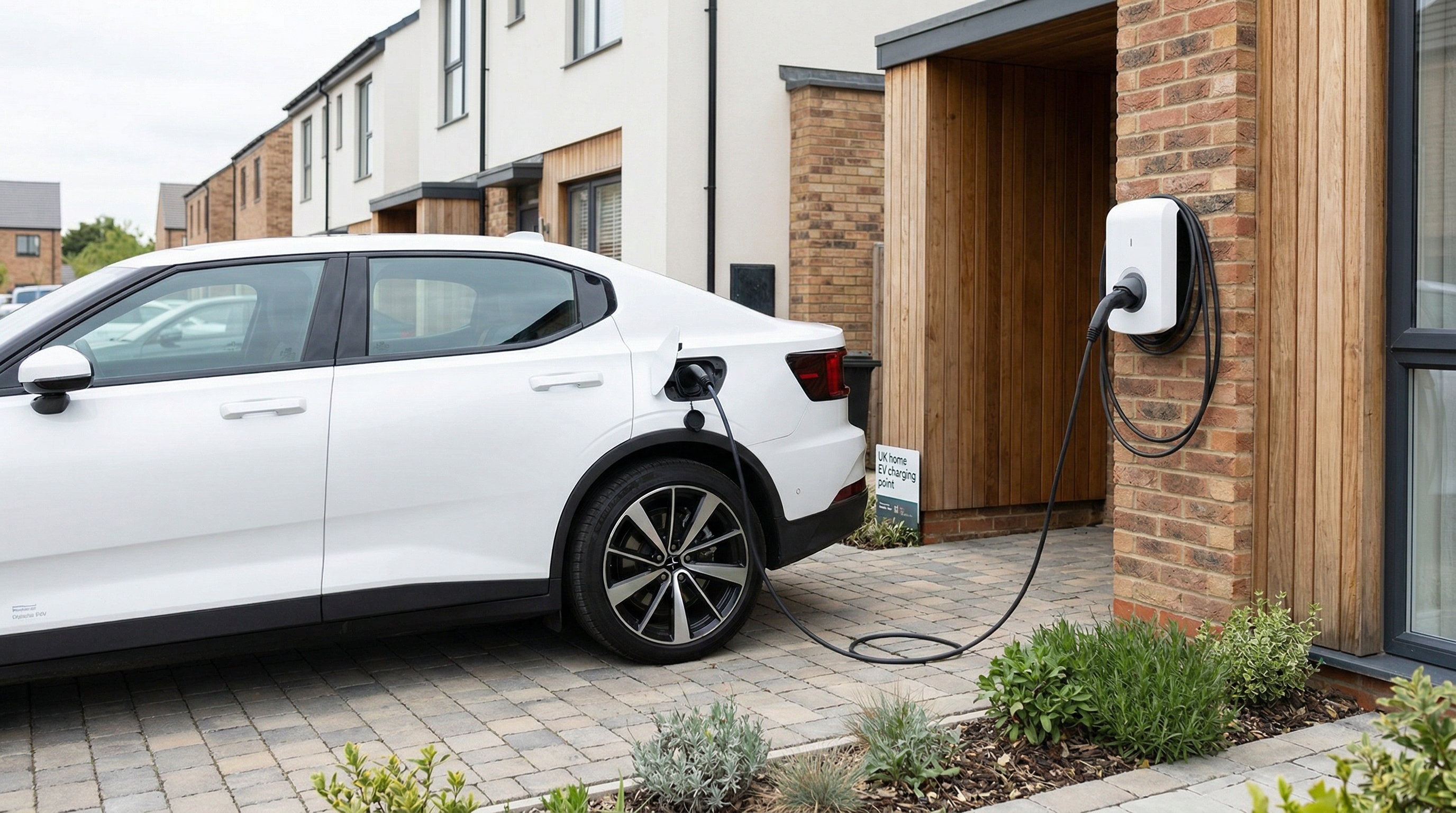
EVs are exempt from ULEZ, CAZ, and London Congestion Charge. Road tax is currently zero. Running costs are a fraction of petrol when charged at home. But home charging is non-negotiable. If you rent a flat in a UK city without a designated parking space and home charger, EV ownership becomes extremely difficult and expensive. Never buy an EV without solving the charging infrastructure question first.
The right fuel type depends on six factors unique to your situation. Let WBAuto analyse your postcode, commute, housing, and budget before you commit.